Record vocals at home without the mud
Mic position, gain staging, doubles, ad-libs, and the take you almost deleted.
Everything you do wrong at this stage gets printed into the file and has to be fought for the rest of the record. Mixing cannot undo a bad capture. Twenty minutes of setup here saves you three hours later, every single time.
Mic position is the biggest free upgrade you have
Start six to eight inches out, with the pop filter roughly two inches in front of the capsule, and speak slightly across the mic rather than straight into it. Off-axis by ten or fifteen degrees keeps the plosive blast off the diaphragm and tames the proximity bass without you touching an EQ.
Then hold that distance. The single most common home-recording problem is a rapper who leans in on the loud lines and drifts back on the quiet ones, which means the tone changes bar to bar. Tape a mark on the floor if you have to.
If your vocal is muddy and no EQ move fixes it, you are almost certainly too close. Back off two inches and re-record one bar to compare. This takes ninety seconds and solves it more often than any plugin.
Gain staging, and why the red light is not a goal
Set your input so the loudest line you actually perform peaks somewhere around −12 to −6 dBFS. Not near zero. Modern converters have enormous headroom and nothing is gained by using all of it; what you get instead is clipping on the one ad-lib you shouted, and that is unrecoverable.
Set it on the loudest part of the verse, not on a test “check one two”. People perform four to eight decibels hotter than they sound-check, and that difference is exactly the margin you just spent.
If your mic is a dynamic like an SM7B, you will need far more clean gain than a typical entry interface has — that is what an inline preamp booster is for, and why the catalog lists them together rather than separately.
The headphone mix decides your performance
Use closed-back headphones so the beat does not bleed into the capsule. Turn the beat down further than feels natural and your own voice up — people shout to compete with a loud instrumental, and shouting flattens dynamics and makes every line the same size.
Monitor with direct/zero-latency input if the interface offers it. If your voice arrives in your ears even a few milliseconds late, your timing will drift, and you will spend the session fixing a problem the software created.
What to actually track
- The main vocal, at least three full passes. Not punches — full passes, so the energy is continuous.
- A double of the whole verse if you want it thicker, performed as tightly as you can. A double that is loose reads as a mistake, not as width.
- Doubles on the last two or three words of key bars, rather than the whole verse. This is the trick that makes hooks feel produced without smearing the verse.
- Ad-libs on their own track, recorded after the verse is comped, so you are reacting to the real performance.
- One pass where you deliberately underplay it. You will use this more often than you expect.
Comping, and the take you almost deleted
Comp for feel first and accuracy second. A slightly sloppy line delivered with conviction beats a clean line delivered carefully, and listeners hear conviction long before they hear timing.
Keep everything until the record is finished. The rough first take — before you started thinking about it — is the one that ends up in the final more often than anybody admits, and it is gone forever the moment you tidy up your session folder.
A clean, consistent, well-staged capture is most of a good-sounding record. The mix stage is supposed to be adjustment, not rescue.
The gear
for this job.
The SM7B and the booster are listed as a pair on purpose — buying the first without the second is the most common expensive mistake in this whole catalog.
 BUILD A ROOM$$$
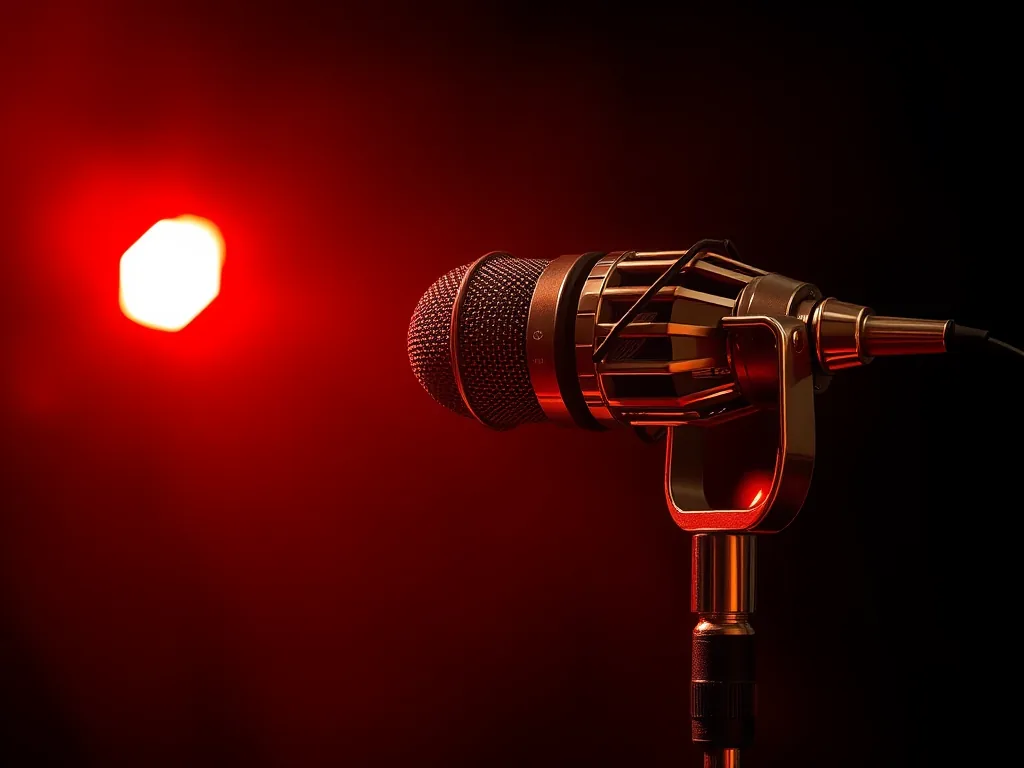
SM7B
The broadcast workhorse that forgives an untreated room and rewards a rapper who leans in.
It is gain-hungry. Budget for a Cloudlifter or a preamp with real headroom.
Check price → BUILD A ROOM$$
Cloudlifter CL-1
Twenty-five clean decibels so your dynamic mic stops sounding like a voicemail.
The missing half of every SM7B purchase nobody warns you about.
Check price →START HERE$Studio Pop Filter
Ten dollars between your plosives and a take you have to punch in six times.
The highest return-per-dollar object in this entire catalog.
Check price →START HERE$$Desk Boom Arm
Stops the desk from telegraphing every knee bounce straight into your vocal chain.
Cheap arms sag by month two. This one does not.
Check price →Affiliate links — we may earn a commission at no extra cost to you. Nothing is listed in a guide that is not already in the catalog for a stated reason.