Mix a rap vocal so it sits forward
Subtractive EQ, serial compression, de-essing, and the parallel bus that does the heavy lifting.
A rap vocal has a different job than a sung one. It has to be intelligible over a dense low end, present without being harsh, and consistent at every volume from a car system to a phone speaker. The chain below is boring on purpose — the exciting version is how records end up sounding thin.
Static mix first
Before a single plugin: get the balance right with faders alone. If the vocal does not sit correctly with nothing but a level adjustment, no amount of processing will fix it — you will just be using EQ to solve a volume problem, which is how mixes get brittle.
This is also where you find out the beat is too loud. It usually is. Rap mixes live or die on whether the instrumental was made room in, and most amateur mixes are a fight between a full-range beat and a vocal trying to climb over it.
Cut before you boost
- High-pass at around 80–100 Hz. There is nothing in a rap vocal below that except rumble, handling noise, and mud fighting the kick.
- Find the boxiness. Sweep a narrow cut between roughly 200 and 500 Hz until the vocal stops sounding like a cardboard tube, then widen the cut and reduce it.
- Cut, in the beat, what you want in the vocal. A small dip in the instrumental around 1–3 kHz makes room for intelligibility far more cleanly than boosting the vocal there.
- Boost last, gently, and high. A wide shelf above 8 kHz for air is usually all the addition a good capture needs.
Two gentle compressors beat one brutal one
Serial compression means catching the peaks in stages. A first compressor with a fast attack doing three to four decibels of reduction handles transients. A second, slower one doing another two to three levels the overall performance. The total reduction is the same as one aggressive compressor, but it does not pump, and it does not flatten the delivery into a monotone.
Watch attack times. Too fast and you shave off the consonants that make rap intelligible; too slow and the peaks pass through untouched. If the vocal has lost its bite after compression, the attack is too fast — that is nearly always the cause.
De-essing, and where it belongs
Compression raises quiet material, including sibilance, so the “s” problem usually appears after compression, not before. Put the de-esser after the compressors and target the specific band that hurts — typically somewhere between 5 and 9 kHz — rather than dulling the whole top end.
The parallel bus that does the work
Send the vocal to a second bus, compress that copy hard — eight, ten decibels of reduction — and blend it underneath the main vocal. You get the density and forwardness of heavy compression while the uncompressed original keeps the dynamics and the diction.
This one move is responsible for more of the “why does my vocal sound amateur” gap than any other single technique. Blend it in until you notice it, then back it off until you do not.
Delay over reverb
Reverb pushes a vocal backwards, which is the opposite of what a rap vocal needs, and it smears consonants into each other. A short slap delay timed to the track gives you space without losing the front. If you want reverb at all, put it on a send, high-pass it aggressively, and keep it short.
Reference on the worst speaker you own
Check the mix on a phone speaker, in a car, and on headphones. A phone speaker reproduces almost nothing below 500 Hz, so if the vocal disappears there, your intelligibility is coming entirely from low-mid energy that will not survive. A car is where most of this music actually gets heard and it will expose a bass problem instantly.
Reference against a commercially released record you like, level-matched. Loud always sounds better, so if you compare your mix at a higher volume than the reference you will draw the wrong conclusion every time.
Static mix, cut before boost, two gentle compressors, parallel bus, delay not reverb, check it on a phone. That order fixes most of what is wrong with most home mixes.
The gear
for this job.
Monitors and honest headphones are the actual tools of this guide. The interface is here because compression on the way in means less of it needed later.
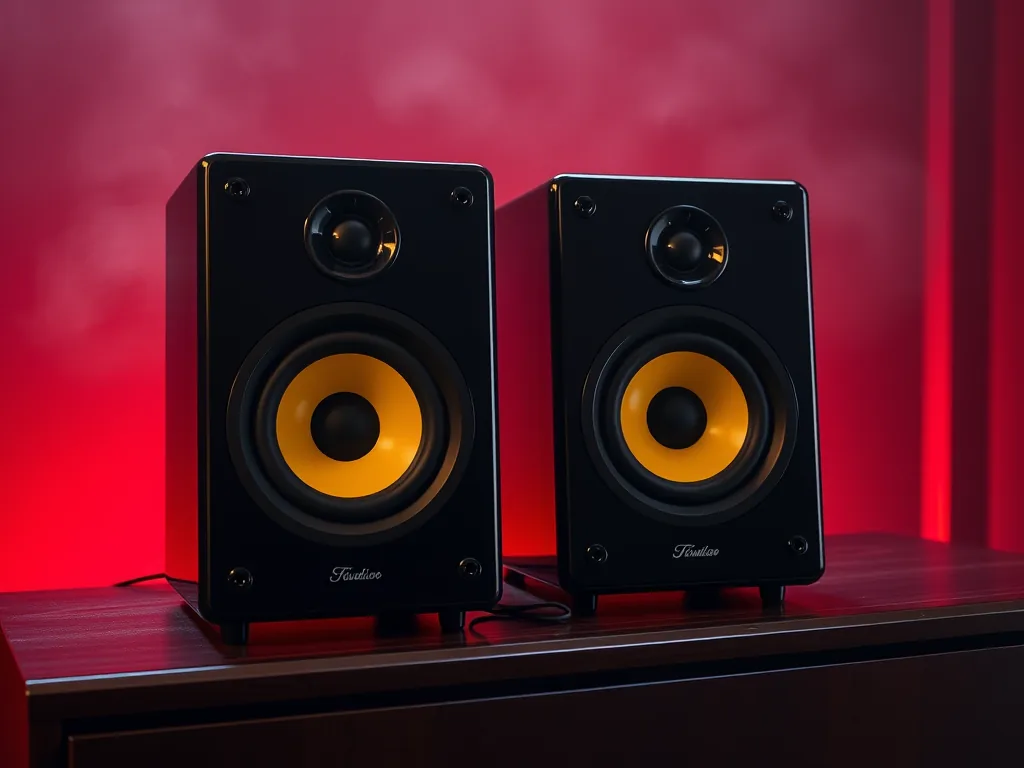 BUILD A ROOM$$
Rokit 5 G4
Brings the low end into focus without turning the whole floor against you.
Yes, they are hyped. Yes, everyone learned to mix on them anyway.
Check price →GRAILS$$$$HS8
Descendant of the white-cone nearfield that mixed half the records you memorized.
Unflattering on purpose. If it survives these, it survives the car.
Check price → START HERE$
ATH-M50x
A second opinion for when the room is lying to you and the hype is louder than the mix.
Closed back, hyped low end, still the most-worn cans in any basement on the coast.
Check price →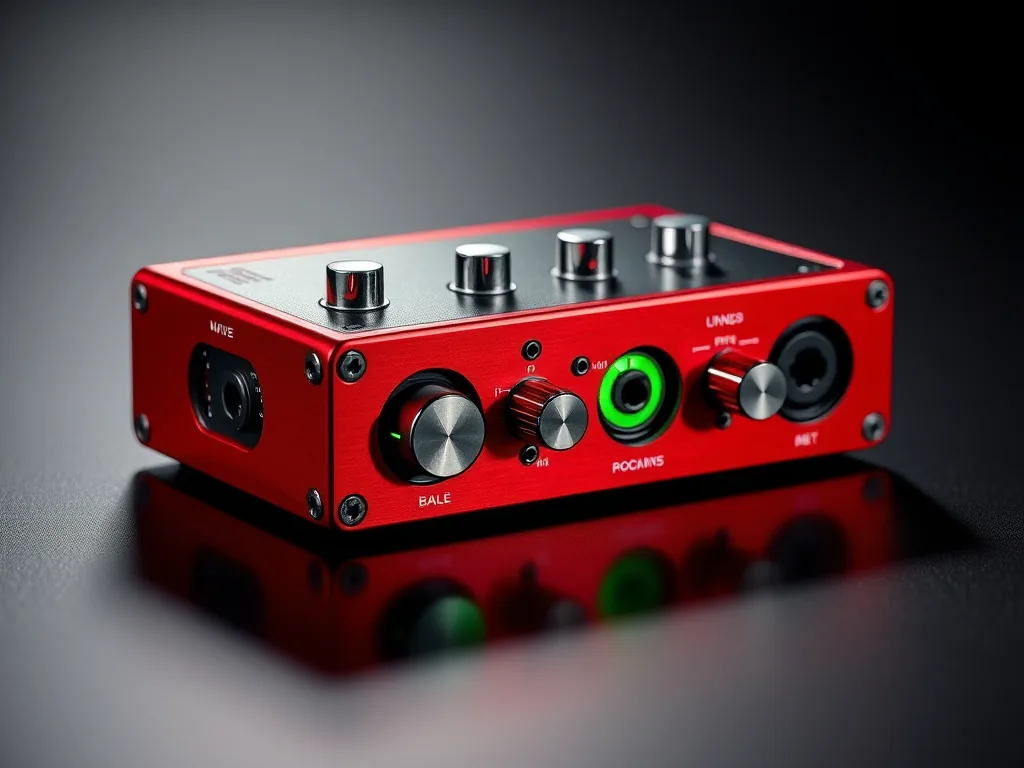 LEVEL UP$$$
Volt 276
Analog vintage-mode preamp and a hardware compressor on the way in, not bolted on after.
Compression at the source is why old records sit forward and yours does not.
Check price →Affiliate links — we may earn a commission at no extra cost to you. Nothing is listed in a guide that is not already in the catalog for a stated reason.