Build a rap setup from zero
Your first room should make it easier to record, not easier to go broke. Here is the order to buy in.
Almost everybody buys this backwards. They spend the whole budget on a microphone, plug it into nothing, point it at a bare wall, and then wonder why the vocal sounds like a voicemail. The order you buy in matters more than the amount you spend.
The order, before the budget
A recording chain is only as good as its worst link, and for a first room the worst link is almost never the microphone. It is the room, then the interface, then the headphones, then the mic — roughly in that order of how much damage each one does when it is bad.
That is why this list starts with a screen and some foam and not with a chrome grille. A four-hundred-dollar mic in an untreated bedroom sounds worse than a hundred-dollar mic in a treated closet, and that is not an opinion you have to take on faith — you can hear it inside one session.
- Interface first. It is the only piece with no workaround; without it there is no signal path at all.
- Then a pop filter and a stand. Ten to eighty dollars that removes two entire categories of ruined take.
- Then headphones. You cannot fix what you cannot hear.
- Then treatment. Even blankets and a corner beat a bare parallel wall.
- Then the microphone. Last. On purpose.
What is actually wrong with your first recordings
Three things, nearly always, and none of them is the mic. The first is reflection — sound leaves your mouth, hits a flat wall two feet behind the mic, and arrives back at the capsule a few milliseconds late. Your ear hears that as boxiness. No plugin removes it cleanly, because it is already printed into the take.
The second is proximity. Condensers get bassier the closer you get, and a rapper leaning in for emphasis is constantly changing that distance. That is the mud you keep trying to EQ out at 250 Hz.
The third is gain. People record too hot because the meter looks impressive, clip the front end, and then cannot understand why the vocal sounds brittle no matter what they do to it later.
A closet full of hanging clothes is a better vocal booth than most of what gets sold as one. Clothes are mass and irregular surface, which is exactly what absorbs. A four-panel foam kit on a flat wall is neither.
The four-hundred-dollar room
This is the whole thing, and it will record a releasable vocal: a two-input interface, a condenser in the hundred-dollar class, a pop filter, a stand that does not transmit desk thumps, closed-back headphones, and something soft on the wall behind the microphone.
Point the mic away from the flattest wall in the room. Stand so the reflective surface is behind you, not behind the capsule. That one adjustment costs nothing and does more than the first two hundred dollars of gear.
What to skip
- All-in-one bundles that pad the price with a cable, a shock mount, and a mic you would not have chosen on its own.
- A better laptop. Modern machines are not the bottleneck for a vocal track and a beat.
- Thin foam sold as isolation. It is absorption, and only above roughly 1 kHz. It is not stopping your neighbour hearing you and it is not stopping bass buildup.
- A second microphone before the room is treated. You will hear the room twice instead of once.
- Expensive cables. Buy the boring ones and spend the difference on treatment.
When to upgrade
When you can name the specific problem the upgrade fixes. “My interface only has one input and I want to track a guest in the room” is a reason. “I have had this a year” is not. The gear tiers on this site are ordered that way for the same reason — each one exists to solve a named problem, and if you do not have that problem yet, that money buys you nothing.
Get all four of these and a soft wall behind you, and the excuse is gone. The next thing standing between you and a record is the writing.
The gear
for this job.
This is the whole first chain, in buying order. Nothing here is aspirational.
 START HERE$
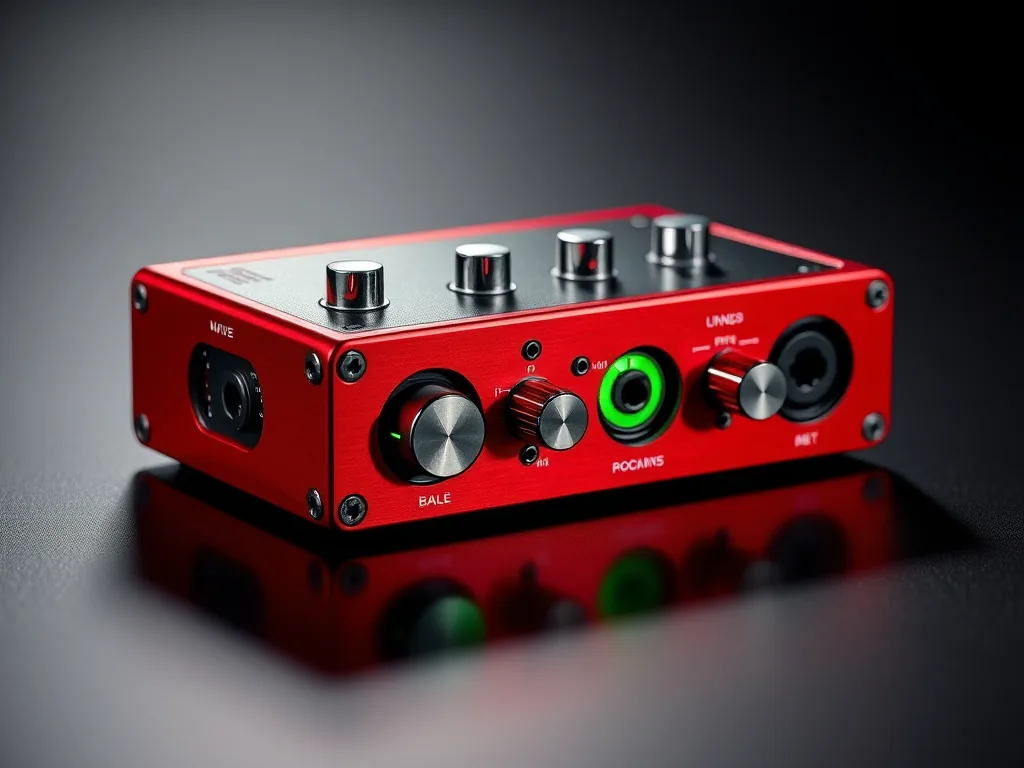
Scarlett Solo (4th Gen)
One clean preamp, one instrument input, zero mystery between the mic and the record.
If your vocals sound thin, it is not this box. It is the room.
Check price →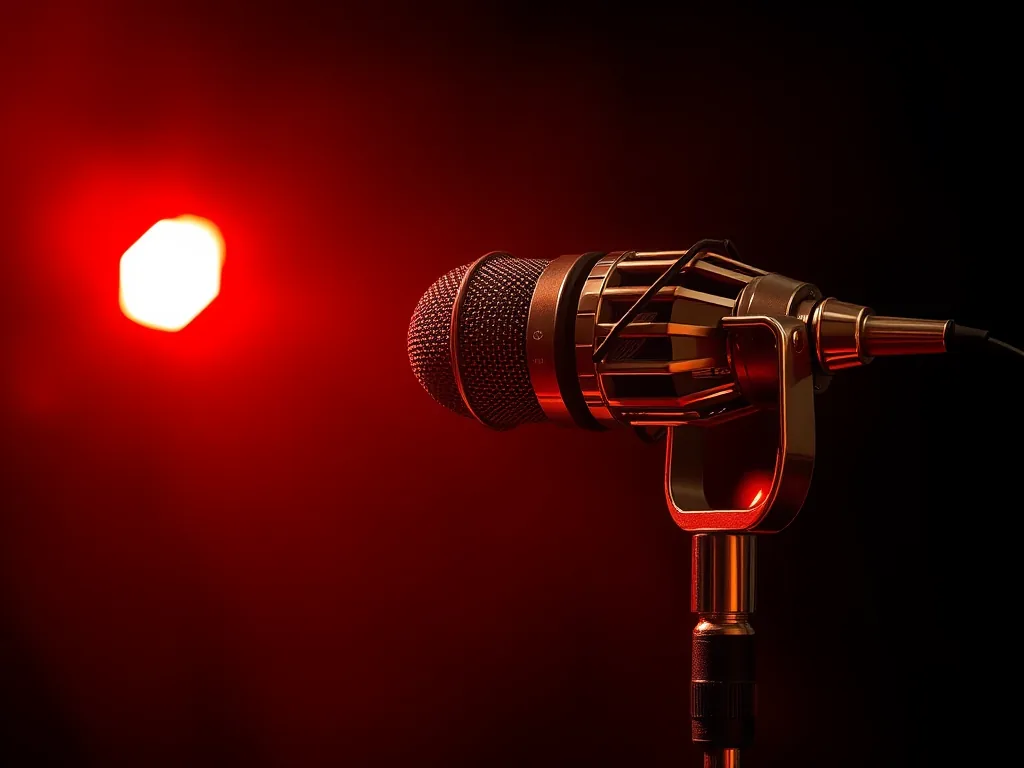 START HERE$
AT2020
The first real microphone most East Coast home rooms ever hear. Brutally honest for the money.
Buy this before you buy anything with a chrome grille and a legend attached.
Check price →START HERE$Studio Pop Filter
Ten dollars between your plosives and a take you have to punch in six times.
The highest return-per-dollar object in this entire catalog.
Check price →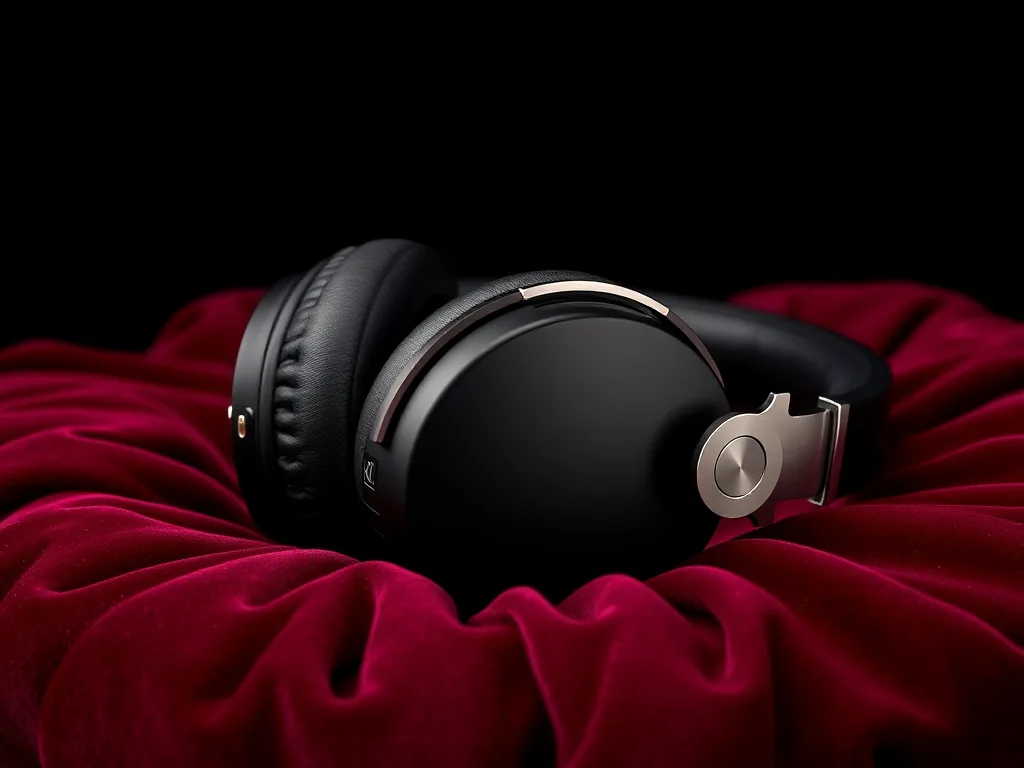 START HERE$
ATH-M50x
A second opinion for when the room is lying to you and the hype is louder than the mix.
Closed back, hyped low end, still the most-worn cans in any basement on the coast.
Check price →Affiliate links — we may earn a commission at no extra cost to you. Nothing is listed in a guide that is not already in the catalog for a stated reason.