Write verses that actually land
Cadence, pocket, breath, internal rhyme, and the edit that makes a bar hit twice.
This is not a guide about what to say. Nobody can give you that and anybody selling it is lying. This is about the mechanics underneath a verse — where the words sit against the drums, where you breathe, and which line to cut — because those are teachable and most people never get taught them.
Pocket before punchline
The pocket is the relationship between your syllables and the drums. Sitting dead on the beat reads as stiff. Pushing slightly ahead reads as urgent. Sitting a hair behind reads as relaxed and confident, which is why so much of the coast’s best writing lands just late.
You cannot choose this on paper. You choose it out loud, at tempo, over the actual beat. A verse that reads brilliantly in a notes app and falls apart on the mic almost always failed here — the words are fine, the placement is wrong.
Test: record yourself saying the verse over the beat with no attempt at delivery, flat, like reading a list. If the words still land in the right places, the writing is in pocket. If it only works when you perform it hard, you are using energy to cover a placement problem.
Breath is structure, not an interruption
Where you breathe determines where the verse has joints. If you write sixteen bars with no planned breath, you will take one anyway — in a random place, mid-thought, and it will sound like a mistake because it was.
Mark the breaths while you write. Put them where a thought closes. A deliberate breath before a turn is one of the oldest and most reliable ways to make the next line hit, and it costs you nothing but a syllable.
This is also the single biggest difference between a verse that works in a booth and one that works on a stage. See the guide on rocking a show — the writing decides whether you can physically perform it standing up.
Internal rhyme, and the line between dense and cluttered
End rhyme is the floor. Internal rhyme — chains of sound inside the bar rather than only at the end of it — is what makes writing feel engineered instead of assembled. The coast has been doing this at a high level since the mid-eighties, and the technical bar set in the mid-nineties is still the one people measure against.
The failure mode is real, though: density for its own sake. When every syllable rhymes with every other syllable, the listener stops hearing content and starts hearing a pattern. The fix is contrast. Write one bar dense, the next bar plain. The plain bar is what makes the dense one register.
The edit that makes a bar hit twice
Most bars that do not land are two bars: a setup and a payoff. Cut the setup. Trust the listener to catch up. A line that arrives without its own explanation is doing two things at once — landing, and rewarding the person who got it.
- Cut any line whose only job is to explain the next one.
- Cut any adjective the noun already implies.
- Cut the first bar of the verse. It is usually a warm-up you did not notice writing.
- If two bars make the same point, keep the shorter one.
Say it out loud or you do not know what you wrote
Writing silently produces verses full of consonant clusters that are unsayable at tempo, rhymes that only work in spelling, and lines that need a breath you do not have. Every one of those problems is invisible on a screen and obvious in thirty seconds of speaking it.
Say it at tempo, standing up, before you ever hit record. The take you fight through in the booth for an hour was usually a writing problem you could have caught in the room.
The mechanics do not write the verse. They just stop a good verse from being wasted by bad placement, and that is the majority of what goes wrong.
The gear
for this job.
Nothing here needs gear. These two are on the list only because writing to a beat at tempo beats writing to silence, and a cheap pair of keys plus honest headphones is the fastest way to have a loop to write against.
 START HERE$
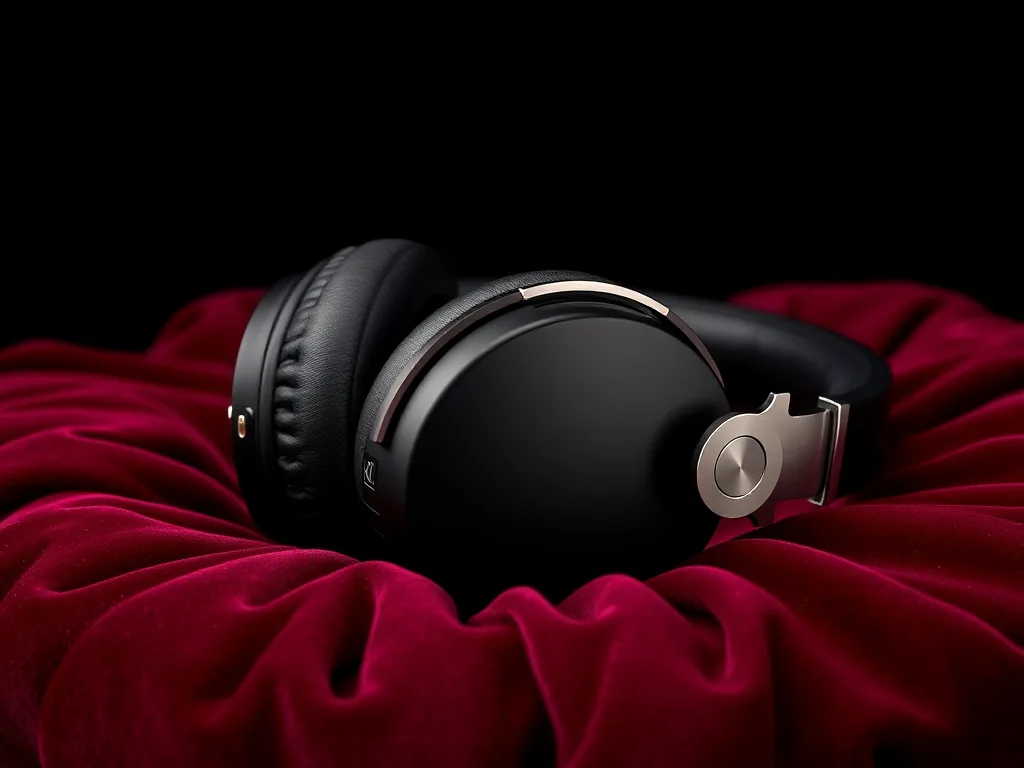
ATH-M50x
A second opinion for when the room is lying to you and the hype is louder than the mix.
Closed back, hyped low end, still the most-worn cans in any basement on the coast.
Check price →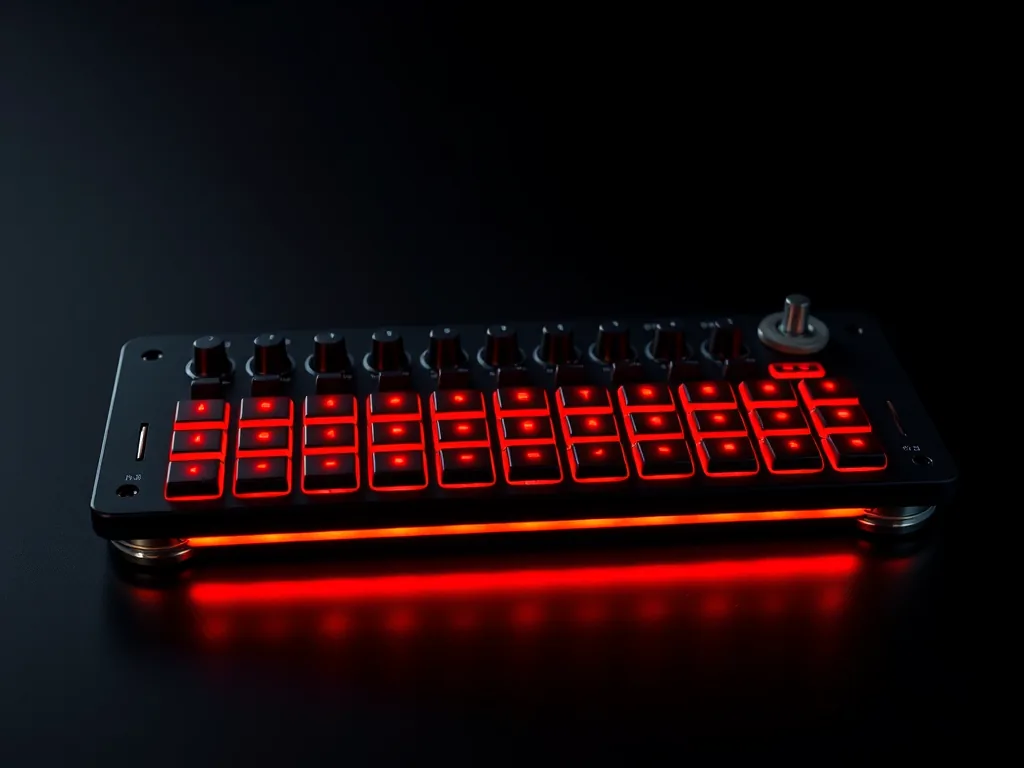 START HERE$
MPK Mini MK3
Twenty-five keys, eight pads, and no excuse left. It fits on a desk next to the cereal bowl.
The cheapest honest way to find out if you actually make beats.
Check price →Affiliate links — we may earn a commission at no extra cost to you. Nothing is listed in a guide that is not already in the catalog for a stated reason.